
How to Identify a Black Drum (Pogonias cromis)
Quick answer
Black Drum, Pogonias cromis: the 4 field marks to check, size, habitat and North American range, with sources. How to tell it from Red Drum (Redfish).
Updated 2026-09-10 · Sources: Texas Parks & Wildlife, myfwc.com
Found one? Take a photo to identify it.
Download on the App StoreWhat are the key facts?
- Scientific name: Pogonias cromis
- Family: Sciaenidae (Drums and seatrout)
- Adult size: Reaches about 6 inches in the first year, about 12 inches in the second, about 16 inches in the third, and gains roughly 2 inches per year thereafter; the largest on record weighed 146 pounds, and the Texas rod-and-reel record is 81 pounds.
- Habitat: Highly adaptable — able to live from the clearest sandbar shallows to the muddiest flood channels, and occurs from shallow, back-exposed water to depths beyond 100 feet.
- Range in North America: Found along the Atlantic coast from New York south through the Gulf states to Mexico.
Key marks to check on a Black Drum
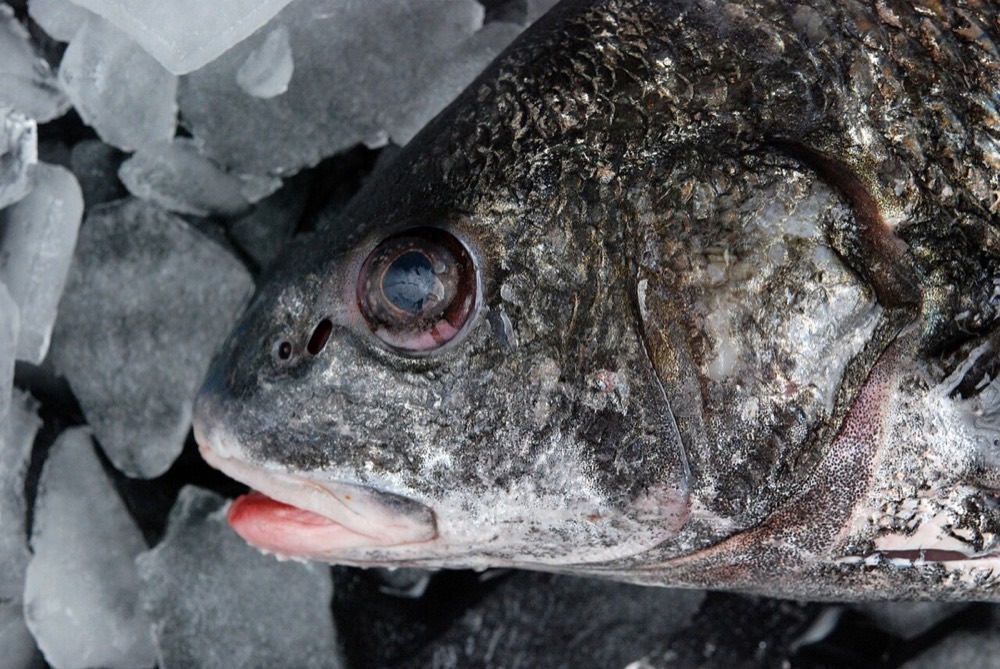
- Body shape: A chunky, high-backed fish with many barbels, or whiskers, under the lower jaw.
- Chin barbels: Barbels on the lower jaw, used to detect food — the most direct trait separating it from the red drum and sheepshead.
- Body markings: Juveniles have 4 to 6 dark vertical bars on the sides, which fade with age.
- Body color: The back is highly arched and gray or black, fading to a lighter belly.
Black Drum vs Red Drum (Redfish)
The red drum has no chin barbels and a black spot on the tail base; the black drum has chin barbels and usually no tail spot. See the Red Drum (Redfish) page for its full mark list.
Where it lives
Highly adaptable — able to live from the clearest sandbar shallows to the muddiest flood channels, and occurs from shallow, back-exposed water to depths beyond 100 feet. Found along the Atlantic coast from New York south through the Gulf states to Mexico.
How to photograph it for identification
Lay the fish flat on its side in even light and photograph the whole body first, then the details below. Get a close, sharp frame of the head: mouth, jaw length and any barbels. Shoot the side of the body before the fish dries; spots and stripes fade fast out of water. The app reads the photo and names the likely species; use the marks on this page to confirm it.
Before you keep it
Size and daily limits for this species differ by state and by water, and some waters are catch-and-release only. Check the current regulations for where you are fishing before keeping any fish; if you are unsure of the species, release it.
FAQ
What does a Black Drum look like?
A chunky, high-backed fish with many barbels, or whiskers, under the lower jaw. Barbels on the lower jaw, used to detect food — the most direct trait separating it from the red drum and sheepshead.
How big does a Black Drum get?
Reaches about 6 inches in the first year, about 12 inches in the second, about 16 inches in the third, and gains roughly 2 inches per year thereafter; the largest on record weighed 146 pounds, and the Texas rod-and-reel record is 81 pounds.
How do I tell a Black Drum from a Red Drum (Redfish)?
The red drum has no chin barbels and a black spot on the tail base; the black drum has chin barbels and usually no tail spot.
Where are Black Drum found?
Found along the Atlantic coast from New York south through the Gulf states to Mexico.
More in North American Fish Identification
Related
See what's really swimming there.
Start with a single photo.
Found one? Take a photo to identify it.
Sources
- Texas Parks & Wildlifetpwd.texas.gov/huntwild/wild/species/blackdrum
- myfwc.commyfwc.com/wildlifehabitats/profiles/saltwater/drums/black-drum/
- myfwc.commyfwc.com/wildlifehabitats/profiles/saltwater/drums/red-drum/
Compiled by the FishLens editorial team
Every fact on this page is taken from the sources listed above; numbers and prices are copied from the source, and prices name the guide or auction and its date. Research and drafting were assisted by AI, and each claim was then checked against the cited sources. Checked 2026-09-10. We do not buy, sell or grade items; the app identifies what you photograph and points you to these references.